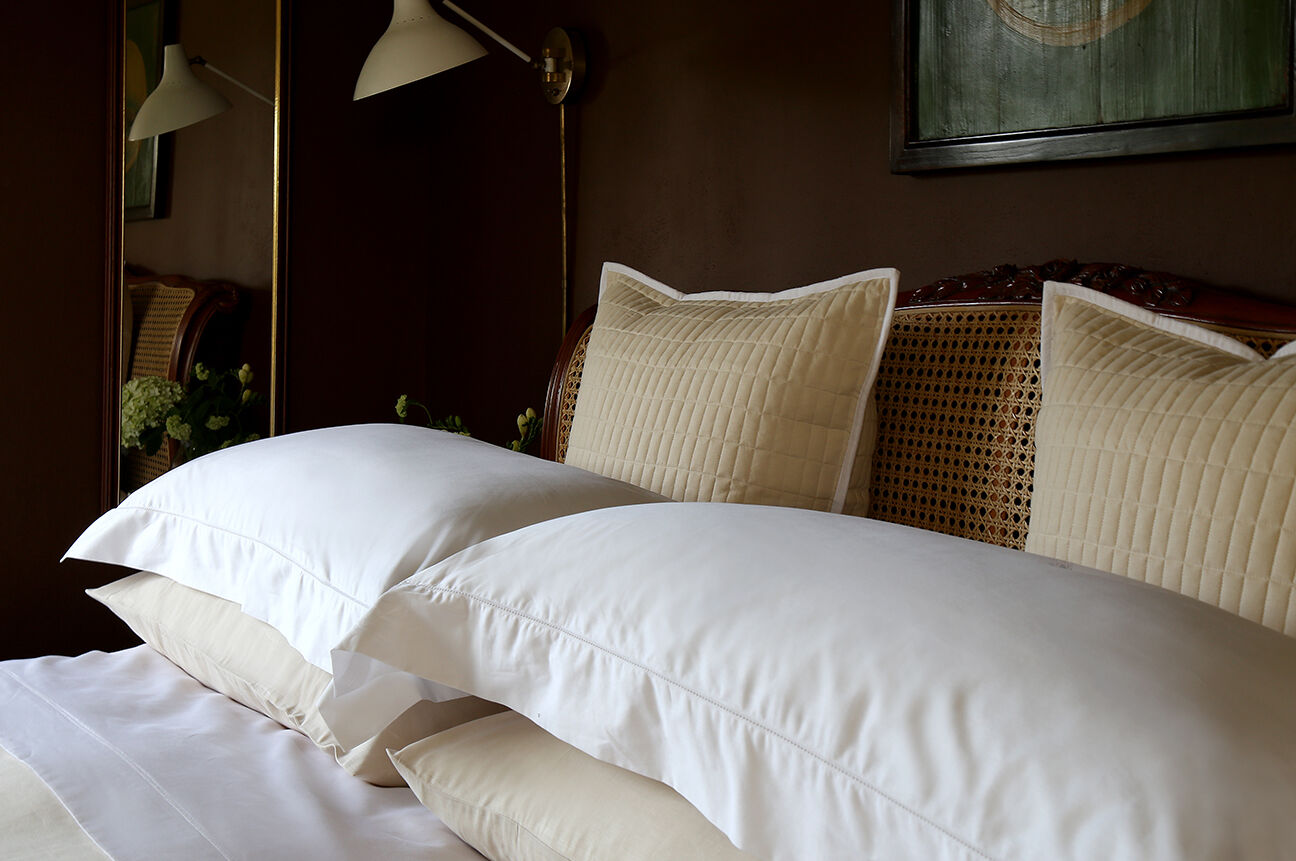
For over five generations, Reed Family Linen has been synonymous with the world’s finest bespoke bed linen, woven with precision, finished by hand, and made to endure. Since 1852, our family has upheld the belief that true luxury lies not only in how something is crafted, but in how it is cared for.
Each piece of Reed linen represents more than beautiful design; it carries a legacy of skill, heritage, and sustainability. Caring for your bed linen properly is an extension of that craftsmanship, a way of preserving the softness, lustre, and lasting comfort that defines every Reed creation.
With the right care, fine linen becomes softer and more breathable over time, rewarding those who cherish it. Proper laundering and storage also protect the integrity of natural fibres, reduce waste, and minimise environmental impact, allowing each piece to last for years, even generations. Learn more about our commitment tosustainable production and ethical craftsmanship.
Trusted by discerning households and luxury hotels around the world, Reed linens are designed to withstand daily use without ever compromising on feel or finish. In this guide, we share our expert care advice, refined over more than 170 years and detailed further in ourIn the Making: Care series, to help you keep your bed linen as beautiful as the day it was made.
How Often Should You Wash Bed Linen?
When it comes to maintaining the freshness and longevity of your sheets, consistency is key. As a general rule, we recommend washing your bed linen once a week. This frequency helps remove natural oils, perspiration, and microscopic skin particles that can build up over time, ensuring a cleaner, healthier sleep environment.
Seasonal Considerations
During the warmer months, when nights are shorter and humidity is higher, washing your bed linen weekly is especially important to keep it cool, light, and breathable. In winter, when bedding layers multiply and the air is drier, laundering every week is just as important especially if you share your bed with pets or suffer from allergies, in which case a more frequent wash will help minimise irritants and dust.
Rotate for Freshness
To make caring for your bedding simple and stress-free, we recommend adopting the timeless rule of “one on the bed, one in the wash, and one in the cupboard.” Keeping three full sets of sheets per bed not only makes weekly changes easier but also allows each set to rest between washes, reducing wear and extending its life.
Discover our full selection ofluxury bed linen collections, from crisp percale to silky sateen, each designed to deliver exceptional comfort and enduring quality wash after wash.
How to Wash Bed Linen Correctly
Proper washing is essential for keeping your Reed linens fresh, soft, and beautifully finished. With the right preparation, detergent, and temperature, you can ensure that each wash enhances the natural qualities of the fabric, rather than wearing it down.
Step 1: Preparation
Before washing, take a few simple steps to protect your linens:
Sort by colour: Separate lights and darks to prevent colour transfer. Whites, creams, and pale tones should always be washed together.
Fasten and turn inside out: Button up duvet covers and pillowcases, and turn them inside out to reduce friction during the wash cycle.
Pre-treat stains: For any small marks, spot-clean with a mild detergent, white vinegar, or a paste of baking soda and water. Allow it to sit for a few minutes before washing.
Step 2: Choosing the Right Detergent
Your choice of detergent makes all the difference:
Use a mild, enzyme-free liquid detergent to preserve delicate fibres.
Avoid optical brighteners, which can cause fading or yellowing over time.
Skip harsh chemicals and fabric softeners, which coat fibres and reduce absorbency.
For an environmentally conscious option, choose eco-certified or plant-based detergents, gentle on your linens and the planet.
Step 3: Recommended Temperature & Settings
Fabric
Temperature
Cycle
Notes
Linen
30–40°C
Linen
Naturally softens with every wash
Cotton Percale
40°C
Cotton
Maintains a crisp, cool handle
Cotton Sateen
40°C
Cotton
Protects the subtle sheen and smoothness
Mixed Fibres
30°C
Gentle
Avoid high spin speeds to preserve structure
Step 4: Common Mistakes to Avoid
Even the finest fabrics can lose their charm if handled incorrectly. To keep your linens in pristine condition:
Never use bleach: it weakens natural fibres and causes discolouration.
Avoid overloading the drum; linens need room to circulate freely for an even clean.
Keep the heat high: heat relaxes natural fibres and released the dirt.
Skip fabric softeners: your Reed linens are designed to soften naturally, achieving their signature feel over time.
How to Dry and Iron Bed Linen
The way your bed linen is dried and finished is just as important as how it’s washed. Gentle, natural drying helps preserve the strength of the fibres, while proper finishing keeps each piece looking and feeling luxurious for years to come.
Line Drying (Best Option)
Whenever possible, line drying is the ideal method for caring for fine bed linen. The movement of air helps maintain softness, while natural sunlight gently brightens whites and acts as a natural antibacterial treatment.
Hang sheets and duvet covers straight and evenly, smoothing them out to minimise wrinkles.
Avoid prolonged exposure to direct sunlight for darker or coloured linens, as it may cause gradual fading.
If drying indoors, choose a well-ventilated space and avoid draping over radiators or heaters.
Tumble Drying
When outdoor drying isn’t an option, a low tumble setting will safely refresh your linens.
Always remove sheets while still slightly damp to reduce creasing and make ironing easier.
Shake out and finish air-drying on a rack or line to prevent over-drying, which can weaken fibres over time.
For the softest finish, add a few wool dryer balls or clean tennis balls to the drum; they naturally aerate the fabric without chemicals or softeners.
Ironing or Steaming
Whether you prefer a crisp, hotel-style bed or a relaxed, effortless look, both finishes can be achieved with the right technique.
Iron linen and cotton while slightly damp, using a medium setting; this helps smooth the weave without over-pressing.
For a relaxed, natural texture, skip ironing entirely; the gentle crumple of pure linen is part of its charm.
If your linen has air-dried and feels slightly stiff, use a handheld steamer to re-soften fibres and release wrinkles in moments.
How to Store Bed Linen for Longevity
How you store your bed linen between washes has a lasting impact on its freshness, scent, and overall lifespan. Fine natural fibres need room to breathe, so thoughtful storage is just as important as careful laundering.
Create the Right Environment
Store your linen in a cool, dry, and well-ventilated space to protect it from humidity and mildew. Air circulation prevents mustiness, keeping your bedding crisp and lightly fragranced for longer. Avoid attics, basements, or anywhere exposed to temperature extremes.
Choose Breathable Storage
Skip plastic vacuum bags or sealed containers, which can trap moisture and damage fibres over time. Instead, use breathable cotton or linen storage bags; these allow air to circulate while protecting your linens from dust.
Separate and Protect Colours
Always store whites separately from darker tones to prevent any colour transfer and maintain brightness. You can also place a lavender sachet or cedar block between folded sheets for a natural, subtle scent that also repels moths.
A Simple Organisation Tip
To keep your cupboards tidy, fold each sheet set neatly and store it inside one of its own pillowcases. This keeps all the pieces together and makes bed changes quick and effortless.
Eco-Friendly Bed Linen Care
Caring for your bed linen thoughtfully isn’t just good for the fabric; it’s better for the planet, too. At Reed Family Linen, sustainability begins in the weaving room and continues into the way our linens are cared for at home. By making small, mindful adjustments to your laundry routine, you can help preserve both your linens and the environment.
Wash at Lower Temperatures
Modern detergents are designed to work effectively at 30–40°C, making higher temperatures unnecessary for most washes. Lower-temperature washing protects delicate natural fibres, reduces colour fading, and uses significantly less energy. Over time, this gentle approach keeps your sheets stronger and softer, while lowering your household carbon footprint.
Choose Biodegradable Detergents
Opt for biodegradable, phosphate-free detergents made from plant-based ingredients. These gentle formulas break down naturally after use, keeping waterways cleaner and avoiding chemical residue on your fabrics. They’re ideal for sensitive skin and pair perfectly with Reed’s pure cotton and linen weaves.
Air Dry Whenever Possible
Line drying is one of the most energy-efficient and fibre-friendly ways to care for luxury linen. It saves electricity, reduces wear from heat exposure, and leaves your bedding naturally scented and fresh. On rainy days, use an indoor airer near an open window to achieve the same clean, dry finish.
Sustainable Luxury That Lasts
Sustainability is built into every thread of Reed Family Linen, from long-staple yarns chosen for durability to the timeless designs intended to be cherished for decades. By washing gently, drying naturally, and storing carefully, you actively extend the lifespan of your linen, embracing a slower, more responsible approach to luxury.
Learn more about our commitment to responsible craftsmanship and ethical production on ourEthics page.
Fabric Care at a Glance
For easy reference, here’s a concise guide to help you care for each of Reed’s core fabrics. These simple steps will help preserve softness, colour, and quality wash after wash.
Care Step
Linen
Cotton Percale
Cotton Sateen
Wash Temp
30–40°C
40°C
30–40°C
Drying
Line dry or low tumble
Low tumble
Low tumble
Ironing
While damp, medium heat
While damp, hot iron for a crisp finish
Low heat, gentle press to protect the sheen
Storage
Breathable linen or cotton bags
Store in a clean, airtight drawer or cupboard
Breathable bags, away from direct light
Bed Linen Care FAQs
To make caring for your Reed Family Linen effortless, here are answers to some of the most frequently asked questions from our customers, formatted for easy reading and rich result visibility in Google search.
How often should I wash my bed linen?
Once a week is ideal to maintain hygiene, softness, and freshness.
Should I use fabric softener on luxury linen?
No, avoid using fabric softener on linen or cotton. It coats the natural fibres, reducing breathability and diminishing that signature smooth yet fresh texture Reed is known for.
What temperature should I wash Reed Family Linen at?
Most Reed bed linens wash beautifully at 40°C.
How do I prevent creases?
Remove sheets promptly at the end of the cycle and give them a quick shake before drying. Line drying or tumble drying on low, then folding while slightly damp, helps minimise wrinkles naturally.
How should I store bed linen long-term?
Store bed linen in breathable cotton or linen bags, away from direct sunlight and moisture. Avoid plastic containers, and keep whites separate from coloured sets to preserve brightness and tone.
Closing Statement: Care as a Tradition
At Reed Family Linen, every piece is designed to last a lifetime, woven with the same dedication to craftsmanship that has guided our family since 1852. By caring for your linens thoughtfully, you not only preserve their beauty but also honour the generations of artistry and precision behind each thread.
Discover how our linens are created with care and intention in our feature In the Making: Care, or explore the full range of designs that define refined comfort through our Bedroom Collection.