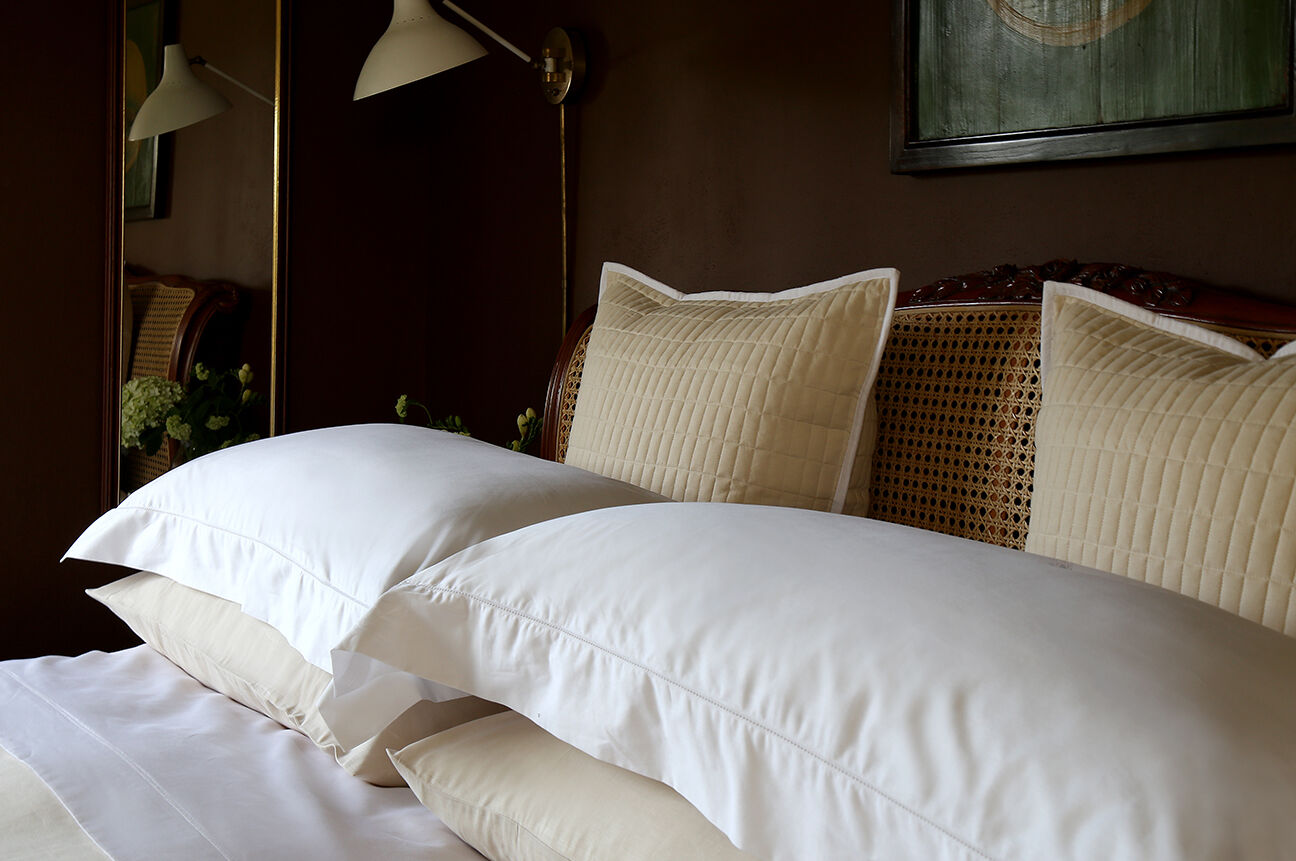
Silk vs Cotton Pillowcases: Which Is Better for Your Skin, Hair & Sleep?
When most people think about elevating their sleep, they focus on mattresses and duvets, yet the humble pillowcase is one of the biggest contributors to how well you rest, how your skin behaves overnight, and even how smooth your hair looks in the morning. The fabric your face spends eight hours against each night matters far more than we realise.
When most people think about elevating their sleep, they focus on mattresses and duvets, yet the humble pillowcase is one of the biggest contributors to how well you rest, how your skin behaves overnight, and even how smooth your hair looks in the morning. The fabric your face spends eight hours against each night matters far more than we realise.
At Reed Family Linen, we’ve spent five generations mastering the world’s finest natural fibres, from long-staple cottons such as Suvin to beautifully woven Percale and Sateen constructions designed for exceptional breathability and comfort. Our expertise in sustainable, long-lasting materials underpins everything we produce, from everyday essentials to bespoke, made-to-order bed linen. Explore more:
Silk and cotton are both celebrated for different reasons, and each brings its own set of benefits to your nightly routine. But the real differences lie deeper, in their fibre structure, temperature control, breathability, durability, and care requirements. Understanding these distinctions will help you choose the pillowcase that genuinely supports your skin, your hair, and your overall sleep quality.
What’s the Real Difference Between Silk and Cotton?
When choosing between silk and cotton pillowcases, it helps to understand the fibres themselves, how they’re made, how they behave, and why they feel so different against the skin. The story begins long before the fabric reaches your bed.
Silk: The Basics
Silk starts its life in the world of sericulture, the traditional practice of cultivating silkworms. Each cocoon is made of a single continuous filament, and when carefully unwound, it creates the ultra-fine, lustrous threads we recognise as pure silk.
Silk brands often highlight a few key benefits:
Exceptional smoothness, which helps reduce friction against the skin.
Less tugging on hair, which can reduce overnight frizz.
A distinctive sheen, giving the fabric its luxurious, mirror-like finish.
However, silk comes with important caveats:
Quality varies dramatically between manufacturers, meaning not all silk offers the same texture or longevity.
The fibre is naturally delicate, making it susceptible to snagging, abrasion, and premature wear.
Care can be restrictive; dry-cleaning or very gentle hand washing is often required to maintain the fabric’s integrity.
“Because dry cleaning leaves behind chemical residues that can irritate the skin and compromise a healthy sleeping environment, silk bed linen—which requires frequent dry cleaning is best avoided for the bedroom.
Silk is beautiful, but it isn’t always practical, especially for homes that prioritise durability, easy care, and long-term value.
Cotton: The Natural, Breathable Classic
Cotton, by contrast, is a plant-grown natural fibre with a long global history, and one that Reed Family Linen has specialised in for over five generations. The secret to truly exceptional cotton lies in its staple length (fibre length), which determines softness, strength, and long-term performance.
Reed uses the world’s finest long-staple cottons, including Suvin, a rare Indian hybrid celebrated for its purity, softness, and sustainability.
Cotton is also incredibly versatile when it comes to design and styling, from crisp white hotel-style beds to playful patterned bedding for characterful interiors.
Your pillowcase touches your face for around a third of your life, so the fibre you choose can subtly influence hydration, temperature, and overall skin comfort. Here’s how silk and cotton genuinely compare, without the marketing myths.
Hydration & Moisture Regulation
Silk repels moisture, which is why many brands claim it helps “keep skincare on the skin rather than on the pillow.” This can be beneficial if you use rich night creams, but it also means silk doesn’t disperse humidity well, which can make the sleep environment feel warmer.
Cotton absorbs and releases moisture naturally, helping keep your skin dry, cool, and comfortable throughout the night. This is especially useful for anyone who experiences:
Night sweats
Breakouts triggered by heat or humidity
Irritation from skincare residue building up on fabric
For acne-prone skin, dermatologists agree that breathability and wash frequency matter far more than fibre marketing claims. Cotton, especially long-staple cotton, is easier to wash at higher temperatures, meaning it can be kept cleaner and more hygienic.
If you’re interested in improving overall sleep quality, too, Reed’s sleep-well content complements this section:
Silk naturally retains heat, which can feel cosy in cold climates but less ideal in summer or for naturally warm sleepers.
Cotton, however, particularly Percale, known for its crisp, airy structure, is:
Naturally cooling
Better at allowing airflow
Less likely to trap humidity against the skin
This makes cotton a consistent favourite for comfortable, skin-friendly sleep in any climate.
Sensitivity & Skin Health
For those with sensitive, reactive, or eczema-prone skin, long-staple cotton is usually the safer and more hygienic option. It’s hypoallergenic, breathable, and can be laundered frequently at higher temperatures without degrading the fibre.
“Because dry cleaning leaves behind chemical residues that can irritate the skin and compromise a healthy sleeping environment, silk bed linen—which requires frequent dry cleaning is best avoided for the bedroom.
Silk is undeniably smooth, but because it requires gentler care, it’s harder to keep ultra-clean, something worth considering if you have sensitive skin, topical treatments, or allergies.
Silk vs Cotton for Your Hair
Your pillowcase has a surprisingly big influence on overnight hair health, from frizz control to scalp cleanliness. Here’s how silk and cotton really compare.
Friction & Smoothness
Silk naturally creates very low friction, which is why it’s often recommended for:
Curly or coily hair
Dry or damaged hair
Reducing frizz and tangling
But high-quality sateen cotton offers a beautifully smooth alternative. Because sateen is woven with a long-float satin structure, it provides a sleek, gentle surface that minimises snagging, while being far stronger and more breathable than delicate silk.
Oil + Sweat Absorption
A healthy scalp depends on the balance between moisture, oils, and hygiene.
Silk does not absorb oils or sweat, meaning product and sebum can sit on the surface.
Cotton naturally absorbs excess oil and perspiration, helping keep your hair and scalp cleaner overnight.
This makes cotton especially suitable for fine hair, oily scalps, and anyone who sleeps warm.
Hygiene & Washability
This is where the difference becomes significant.
Cotton pillowcases can be washed frequently and at higher temperatures, which is essential for maintaining scalp hygiene and preventing irritation.
Silk, on the other hand, requires gentle cycles or hand-washing. Most people therefore wash silk less often, which can lead to:
Product build-up
Bacterial accumulation
Irritated hairlines or breakouts
For everyday cleanliness and true long-term hair health, high-quality cotton remains the more practical, expert-approved choice.
Which Helps You Sleep Better?
Breathability & Heat Regulation
If you tend to overheat at night, live in a warm climate, experience night sweats, or are going through menopause, cotton almost always outperforms silk.
Cotton naturally absorbs moisture, regulates temperature, and helps keep the sleep environment cool and dry, especially percale, which has a crisp, airy weave that feels fresh against the skin.
Silk may feel luxurious, but caring for it requires a level of delicacy that most households simply don’t have time for. It typically needs:
Cool hand-washing or ultra-gentle machine cycles
Specialised silk detergents
Careful drying away from heat and sunlight
Because silk can’t tolerate high temperatures, it’s not ideal for anyone who prioritises hygienic laundering, especially if you deal with acne-prone skin, oily hair, allergies, or need to refresh bedding more frequently.
“Because dry cleaning leaves behind chemical residues that can irritate the skin and compromise a healthy sleeping environment, silk bed linen—which requires frequent dry cleaning is best avoided for the bedroom.
Cotton
High-quality cotton, especially long-staple varieties like Suvin, is refreshingly easy to care for. It naturally:
Handles regular machine washing
Retains shape, colour, and softness
Maintains its breathability over time
Most importantly, cotton can withstand high-temperature washes, which helps:
Remove oils, sweat, and bacteria
Improve skin and scalp hygiene
Extend the lifespan of your bedding
For expert guidance on caring for your Reed bedding, explore:
Silk is often marketed as the ultimate luxury, and while it can feel indulgent, it also comes with a high upfront cost and a relatively short lifespan. The delicate fibres simply don’t stand up to regular laundering, friction, or the natural movement that happens during sleep. Over time, silk pillowcases often need replacing far sooner than people expect.
By contrast, Reed’s long-staple cotton bedding is designed as a true long-term investment. Because the fibres are stronger, smoother and more resilient, Reed pillowcases and sheets maintain their beauty and performance for years, even under daily use and frequent washing.
This is the same cotton trusted by leading hotels worldwide, where bedding must withstand intense laundering cycles and constant guest turnover. You can explore how Reed Linens perform in real hospitality environments on our Hotels page.
The Real Value: Cost Per Night
Think of it the same way luxury hotels calculate return on investment:
If a silk pillowcase lasts 12–18 months, the “cost per night” is often surprisingly high.
A Reed cotton pillowcase, cared for correctly, can last many years, dramatically lowering the cost per use while delivering noticeably better comfort, hygiene and durability.
In other words:
Silk may feel like luxury, but Reed cotton delivers luxury and longevity, a far better value over time.
Silk vs Cotton: Which Should You Choose?
Both fibres have their merits, but the right choice depends on your priorities, your sleep style, and the level of care you want to commit to. Here’s a calm, balanced way to decide:
If you want…
Low friction for very curly or dry hair > choose silk or a smooth Reed Sateen weave
At Reed Family Linen, every pillowcase is crafted from the world’s finest natural fibres, designed to elevate your sleep, care for your skin and hair, and bring quiet luxury into your everyday routine.
Whether you prefer the cool crispness of Percale, the silky drape of Sateen, or the relaxed elegance of Linen Union, you can explore our full pillowcase collections below: